
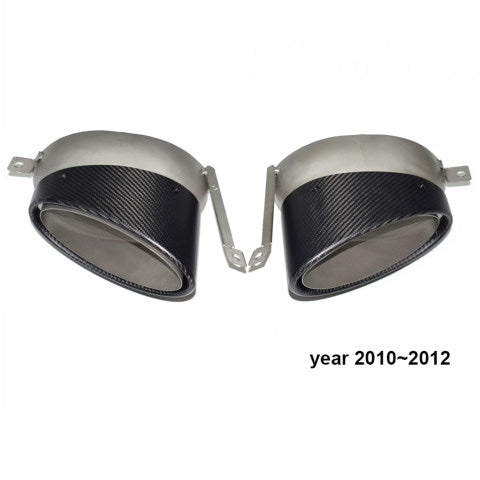
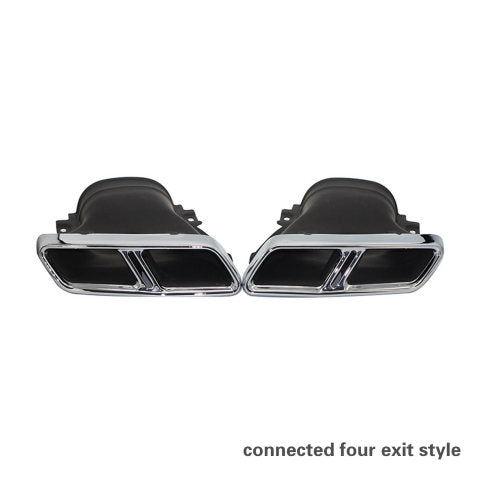




Sourcing exhaust tips overseas is a quality problem as much as a price problem. A cheap part that rusts or fits poorly costs more in returns than it saves on the invoice. This guide explains what to check when you evaluate a supplier.
Common Quality Defects to Watch For
- Weld defects: pinholes, cold laps, and uneven bead. Look for consistent fish-scale or TIG welds with no burn-through.
- Material substitution: 201 sold as 304, or thin-wall tubing. Ask for material certificates and spot-check thickness.
- Surface defects: scratches, uneven polish, peeling chrome, and carbon-fiber delamination or bubbles.
- Dimensional drift: inlet or outlet sizes that are off spec and no longer clamp or weld correctly.
A Real QC Process Has Three Stages
- Incoming inspection: raw material is checked against grade and thickness before production.
- In-process inspection: dimensions, weld integrity, and finish are verified during production, not only at the end.
- Pre-shipment inspection: a final check against a written specification before packing.
Ask the supplier to describe their QC stages. A factory that cannot explain them is inspecting nothing.
Certifications and Verification
Look for an ISO 9001 quality management system and independent factory verification (such as an SGS onsite audit). Design patents are a further signal that a supplier invests in its own product development rather than copying others.
Check the Paperwork
Before committing to a bulk order, request material certificates and, for OEM work, a first-article sample with a dimensional report. For our process and terms, see the For Business page or contact us with your part numbers.


